Designed for everyday living
Across your home, there’s a growing appreciation for spaces that feel practical, comfortable and well considered. For some, that means calm layouts with clean lines, clever storage and a sense of order. For others, it’s about layered interiors filled with colour, character and expression. In 2026, good design is less about following rules and more about creating spaces that work beautifully in daily life.
Colour reflecting personal style
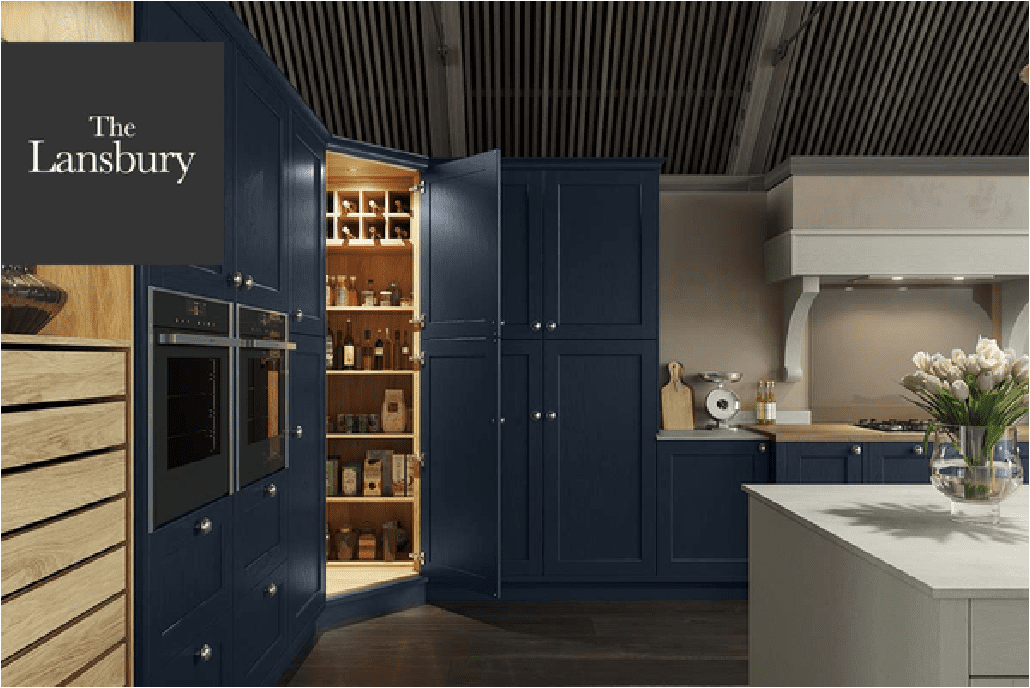
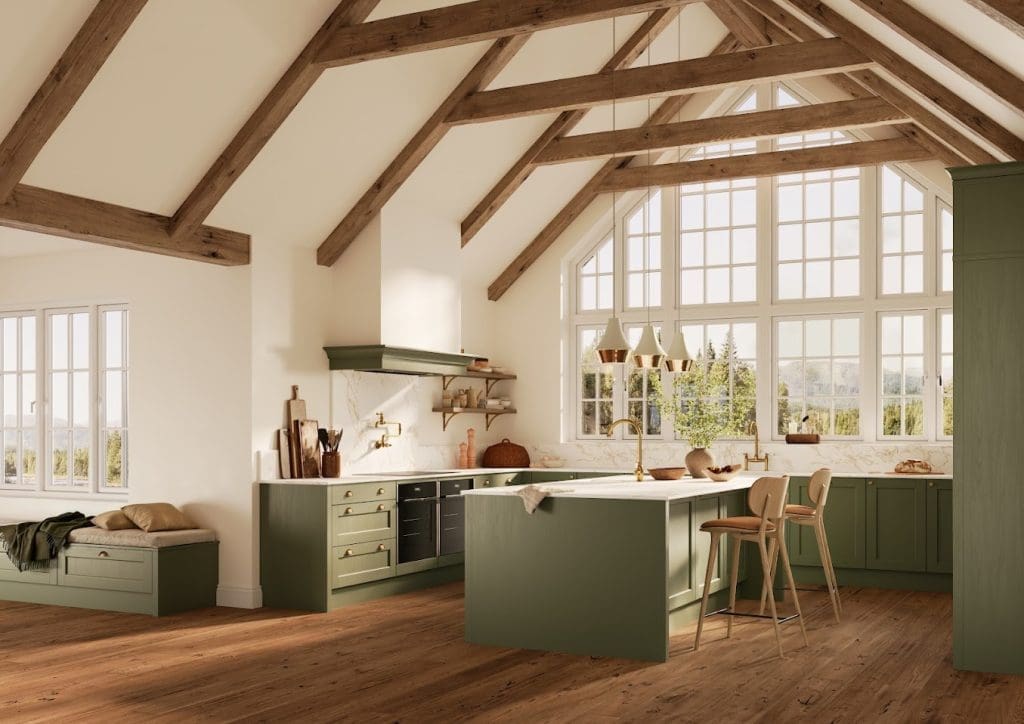
Colour is being used with more confidence this year, and there’s no single palette defining 2026. Warm neutrals continue to be popular for their timeless, calming feel, while bold colours and maximalist influences are also making a strong statement. Whether subtle or expressive, colour is being chosen more intentionally, not because it’s trending, but because it reflects personal taste and brings energy and individuality into a space.
Function built into the design
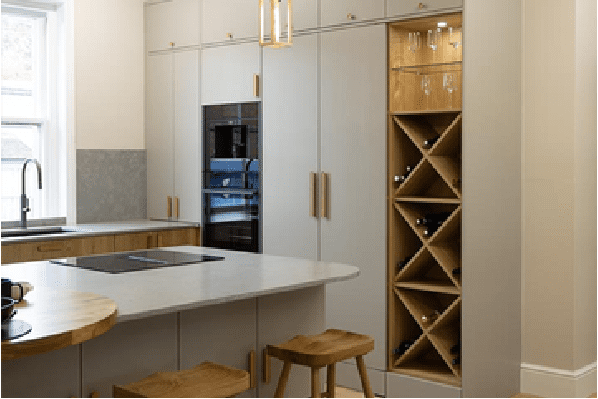
Design for real life means thinking carefully about how a space works. In 2026, functionality is being integrated seamlessly into interiors from well-planned layouts to smart storage solutions that make everyday tasks easier. The best designs quietly support daily life, combining practicality with visual appeal so that nothing feels forced or overcomplicated.
A more connected way of designing homes
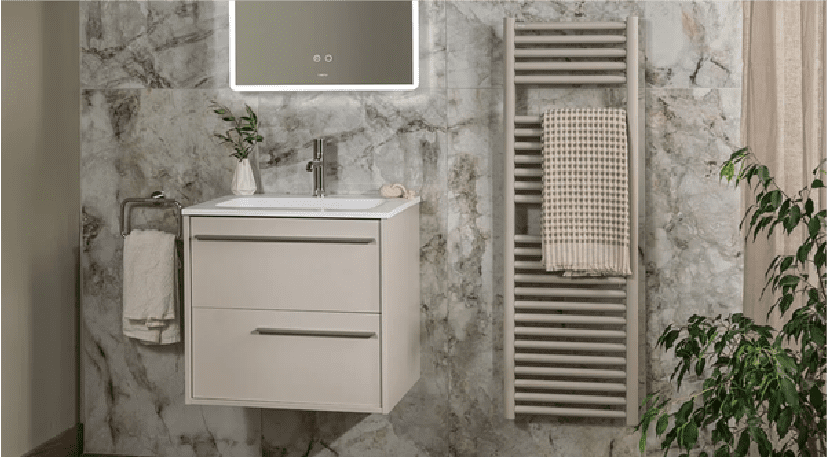
Rather than treating each room in isolation, there’s a growing move towards designing homes as a whole. A greater focus on flow and continuity is helping create interiors that feel cohesive, balanced and personal. This connected approach makes it easier to blend different styles, colours and textures, resulting in homes that feel personal, balanced and lived in.